10 Reasons Your Sleep Is Getting Worse — And the One Thing That Actually Fixes It
Sleep & Recovery · Science-Backed

10 Reasons Your Sleep Is Getting Worse — And the One Thing That Actually Fixes It

It is not your mattress. It is not your phone. Researchers have identified a set of physiological triggers that determine whether your body actually enters deep, restorative sleep — and most people are unknowingly working against every single one of them.

8 min read  ·  SaunaBox Editorial Desk  ·  June 2026

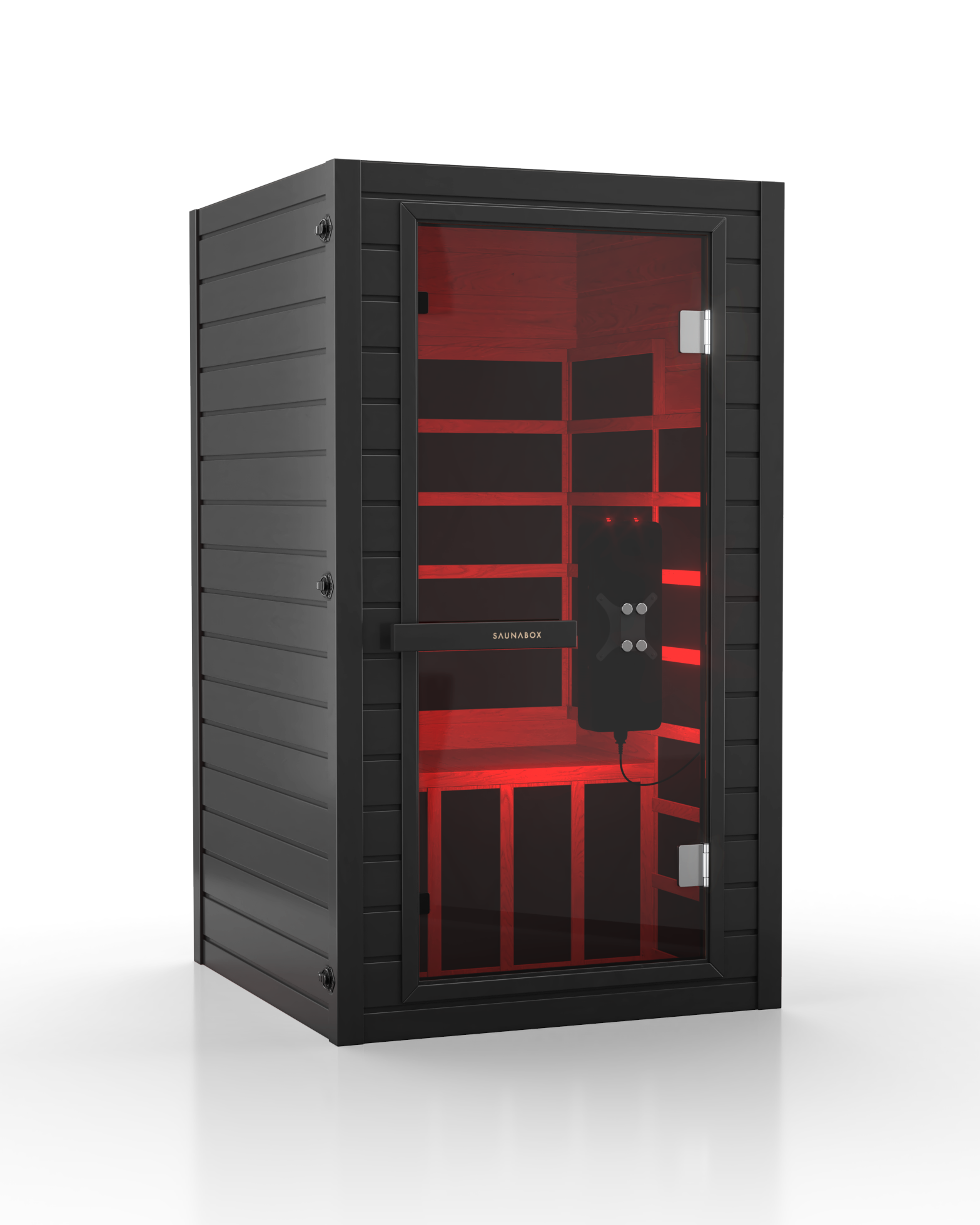
SaunaBox Solara infrared sauna

Most sleep advice focuses on habits: go to bed at the same time, avoid screens, cut caffeine after noon. That advice is not wrong. But it is incomplete. The reason so many people follow every recommendation and still wake up exhausted is that they are treating the behavioral layer without ever touching the physiological one.

Sleep quality is not primarily a matter of discipline. It is a matter of biology. Your body needs specific conditions to enter and sustain deep, restorative sleep — and modern life systematically works against almost all of them. What follows is a research-backed breakdown of the ten most common physiological reasons sleep degrades, and why addressing them at the root level produces results that no supplement or white noise machine can replicate.

Reason 01

Your core body temperature is not dropping the way it needs to

Core body temperature must fall 2–3 degrees Fahrenheit to trigger sleep onset. This cooling process begins about two hours before sleep and is one of the primary physiological signals that tells the brain it is time to rest. When this cooling is disrupted — by stress, inflammation, or a warm environment — sleep onset is delayed and deep sleep is reduced.

The mechanism is well-established: as core temperature drops, the brain interprets the shift as a cue to begin the sleep cascade. Without that drop, the brain stays in a state of physiological alertness even when the body is tired. A sauna session followed by natural cooling provides exactly this thermal cue.

Source: Murphy & Campbell, "Nighttime drop in body temperature: a physiological trigger for sleep onset?" — Sleep, 1997

Reason 02

Your cortisol is still elevated when it should be bottoming out

Cortisol follows a circadian rhythm — it should be at its lowest point in the late evening and during the first half of sleep. Research published in PMC found that patients with insomnia show elevated cortisol specifically in the evening and at sleep onset, suggesting that unresolved stress is a direct physiological barrier to sleep — not just a psychological one.

This distinction matters. Cortisol elevation is not a feeling of being stressed. It is a hormonal state that persists regardless of how calm you believe you are. The body needs a physiological mechanism to clear it, not just a mental one.

Source: Hirotsu et al., "Interactions between sleep, stress, and metabolism" — PMC / Clinics, 2015

Reason 03

Chronic inflammation is actively disrupting your sleep architecture

A large meta-analysis published in PMC found that sleep disturbance is associated with inflammatory disease risk and all-cause mortality. The relationship is bidirectional: inflammation disrupts sleep, and poor sleep worsens inflammation. This cycle is one of the most underdiagnosed contributors to chronic insomnia.

People treat the symptom — the inability to sleep — without addressing the underlying inflammatory state that is preventing the body from entering deep sleep in the first place. Infrared heat has been shown to reduce systemic inflammatory markers, addressing the root rather than the symptom.

Source: Irwin et al., "Sleep disturbance, sleep duration, and inflammation" — PMC / Biological Psychiatry, 2015

"The research points to a clear set of root causes: elevated cortisol, poor thermoregulation, chronic inflammation, and insufficient parasympathetic activation. Addressing these at the system level is what produces lasting sleep improvement."

Reason 04

You are not getting enough slow wave deep sleep

Slow wave sleep — Stage 3 NREM — is the phase where the body repairs tissue, consolidates memory, and regulates hormones. A review published in PMC found that sauna bathing increased the amount of slow wave sleep by over 70% in the first two hours.

Most people never experience this level of deep sleep because they have no physiological trigger for it. The body needs a specific thermal cue — a drop in core temperature following a period of elevated heat — to reliably enter and sustain slow wave sleep.

Source: Laukkanen et al., "The multifaceted benefits of passive heat therapies for extending the healthspan" — PMC / Temperature, 2024

Reason 05

Your parasympathetic nervous system never fully activates before bed

The parasympathetic nervous system — the "rest and digest" state — must dominate before and during sleep for the body to fully recover. Research from Ahokas et al. found that post-exercise infrared sauna sessions shift autonomic balance toward parasympathetic dominance, increasing HRV.

Without a reliable mechanism to shift the nervous system out of sympathetic dominance, the body remains in a low-grade alert state even during sleep — reducing sleep quality without the person being aware of why.

Source: Ahokas et al., "Effects of repeated use of post-exercise infrared sauna on neuromuscular performance" — PMC / Temperature, 2025

Father’s Day Sale — Ends June 21

Shop SaunaBox Father’s Day — The Solara Is $300 Off

The Solara sold out 3× during the last sale. FSA and HSA eligible. Free shipping.

Shop the Solara — $2,699

Regular price $3,000  ·  Sale ends June 21, 2026

Reason 06

Red light exposure before bed is not part of your routine

A study published in the Journal of Athletic Training found that whole-body red light irradiation significantly improved sleep quality and increased melatonin levels in elite female basketball players. Melatonin is the primary hormone that signals the body it is time to sleep — and most people’s evening environments actively suppress it.

Blue light from screens delays melatonin onset by up to 90 minutes. Red light at 660nm does the opposite — it reinforces the body’s natural sleep signal without supplementation. The Solara’s built-in red light panels deliver this wavelength as part of every session.

Source: Zhao et al., "Red Light and the Sleep Quality and Endurance Performance of Chinese Female Basketball Players" — PMC / Journal of Athletic Training, 2012

Reason 07

Muscle tension and unresolved soreness are keeping your nervous system alert

Unresolved physical tension keeps the sympathetic nervous system in a low-grade activated state, making it physiologically harder to fall into deep sleep. A peer-reviewed study by Mero et al. found that far-infrared sauna bathing significantly reduced muscle soreness and improved recovery from both strength and endurance training sessions.

This is particularly relevant for anyone who exercises in the evening, works a physically demanding job, or carries chronic tension from long hours at a desk. The body cannot fully enter recovery mode while it is still processing unresolved physical stress.

Source: Mero et al., "Effects of far-infrared sauna bathing on recovery from strength and endurance training" — PMC / SpringerPlus, 2015

Reason 08

Your body is carrying a toxic load it cannot process during the day

A comprehensive review published in PMC found that among factory workers exposed to heavy metals, increasing serum concentrations were directly associated with declining sleep quality. Environmental toxins — including heavy metals and airborne pollutants — have a measurable impact on sleep architecture.

Sweating is one of the body’s primary detoxification pathways. A separate PMC review confirmed that sweating — particularly through sauna — supports the excretion of heavy metals including lead, mercury, arsenic, and cadmium, reducing the toxic burden the body must process during sleep.

Source: Liu et al., "Environmental exposures and sleep outcomes" — PMC / Environmental Health Perspectives, 2020  ·  Sears et al., "Arsenic, Cadmium, Lead, and Mercury in Sweat" — PMC, 2012

Reason 09

You have no consistent wind-down ritual that signals sleep to your brain

The brain relies on consistent environmental and physiological cues to initiate the sleep cascade. Research on thermoregulation and sleep confirms that the likelihood of NREM onset is highest when core temperature is at its steepest rate of decline — a state that can be reliably induced by a structured pre-sleep heat session.

Without a reliable pre-sleep routine that lowers cortisol, drops core temperature, and activates the parasympathetic system, sleep onset becomes inconsistent. A structured infrared session in the evening addresses all three simultaneously — and the body learns to associate the thermal cycle with sleep over time.

Source: Harding et al., "The Temperature Dependence of Sleep" — PMC / Current Opinion in Physiology, 2020

Reason 10

You are treating the symptoms instead of the system

Most sleep interventions — melatonin supplements, white noise, sleep masks — address surface-level symptoms without touching the underlying physiology. They can help at the margins, but they do not move the needle on the root causes: elevated cortisol, poor thermoregulation, chronic inflammation, and insufficient parasympathetic activation.

The research reviewed across all ten reasons above is consistent on this point. Addressing the system — not the symptom — is what produces lasting sleep improvement. The question is not whether the physiology matters. It is whether you have a tool that actually addresses it.

Source: Harding et al., "Sleep and thermoregulation" — PMC / Current Opinion in Physiology, 2019

The Solution

One Evening Session. Ten Physiological Mechanisms.

The SaunaBox Solara is a full-spectrum infrared sauna built from 100% Canadian Hemlock. Research suggests that infrared heat exposure may support thermoregulation, cortisol reduction, parasympathetic activation, and red light melatonin response — the same mechanisms covered in the ten reasons above. Individual results vary.

SaunaBox Solara infrared sauna session
Thermoregulation

Supports the core temperature drop

Post-session cooling may support the natural pre-sleep temperature shift associated with sleep onset.

Cortisol Clearance

May support cortisol clearance

Heat exposure has been associated with reductions in cortisol in some studies. Individual responses vary.

Nervous System

Supports parasympathetic recovery

Some research suggests infrared heat may support HRV and autonomic recovery after exercise. Results vary by individual.

Red Light

Red light & melatonin support

Red light at 660nm has been studied for its potential role in melatonin production. The Solara includes built-in red light panels as part of every session.

The Product

What Makes the Solara Different

The Solara is not a sauna tent. It is a permanent, wood-panel infrared sauna that sits in a corner of your home, plugs into a standard outlet, and sets up in 30 minutes. Here is what sets it apart from every other option in this category.

Full-Spectrum Infrared

Near, mid, and far infrared in one unit. Heat penetrates 3–4 centimeters into muscle and joint tissue — deeper than far-infrared alone and far deeper than steam.

Medical-Grade Red Light

660nm and 850nm red light therapy panels are built into the same unit. No separate device. No additional setup. The sleep-supporting red light is part of every session.

Zero Toxic Off-Gassing

100% Canadian Hemlock with no composite wood, adhesives, or synthetic materials. Independently tested by Intertek. California Prop 65 compliant. Certified ultra-low EMF.

SaunaBox Solara

SaunaBox Solara

The premium single-person full-spectrum infrared sauna. Built for a serious at-home wellness routine.

  • Full-spectrum near, mid & far infrared
  • Built-in 660nm + 850nm red light panels
  • 100% Canadian Hemlock — no off-gassing
  • Intertek certified ultra-low EMF
  • FSA and HSA eligible · Free shipping
Shop the Solara — $2,699
Father’s Day Sale — Ends June 21

Shop Father’s Day Sale — $300 Off the Solara

FSA and HSA eligible. Free shipping. Sale ends June 21, 2026.

Regular price $3,000  ·  Save $300  ·  Free shipping  ·  FSA / HSA eligible